Product photography / Food
AI food photography
Menu boards, delivery tiles and social posts, generated from a phone snapshot of the dish you actually serve. No stylist, no studio day, no photographer waiting while the kitchen replates.
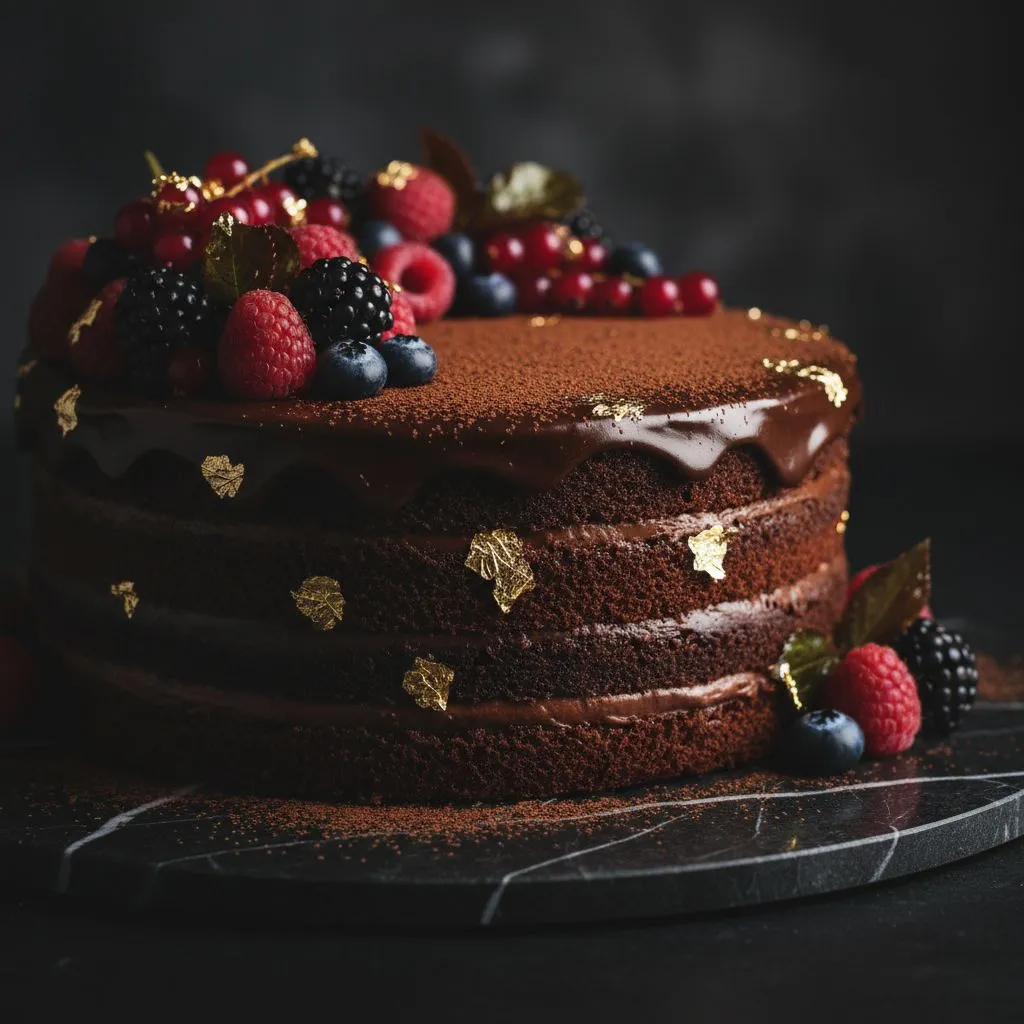
The photo has to survive a 200-pixel square
Restaurant photography used to be judged on a printed menu held at arm's length. Most of your food photos are now seen as a small tile in a delivery app, next to nine competitors, on a phone, in one second of scrolling.
That changes what a good shot is. One hero element, filling the frame, in a colour that separates from the plate. Wide table scenes with three dishes, cutlery and a glass of wine look beautiful at full size and turn into brown mush at tile size. Generate for the tile first, then crop wider versions for the menu and the website.
The angle is decided by the dish
Not by taste. Height and flatness decide where the camera goes, and getting this wrong is the most common reason a generated dish looks subtly off.
Top-down
Bowls, pizza, salads, breakfast spreadsFlat food has no height to show. Shot from above, the composition is the layout itself.
poke bowl shot directly from above on a pale ceramic plate, matte grey stone surface, soft diffused daylight from the left, no harsh shadows, food photography
Straight on
Burgers, layered cakes, stacked pancakes, cocktailsEverything that is built in layers is sold by its cross-section. Drop to plate level and the layers read.
double cheeseburger photographed at plate level, visible layers of patty and melted cheese, dark wooden board, warm rim light from behind, shallow depth of field
Around 45°
Plated restaurant mains, pasta, steak, roastsClose to how a diner sees the plate when it lands. Reads as a real table rather than a studio.
plated seared salmon with asparagus and lemon on a white ceramic plate, 45 degree angle, linen tablecloth, soft window light from the side, natural food photography
Macro
Texture shots, sauces, cheese pulls, garnishThe supporting frame in a set. Sells the texture the wide shot cannot show.
extreme close-up of melted cheese stretching from a slice of pizza, steam faintly visible, warm backlight, shallow depth of field, macro food photography
From a phone photo in the kitchen
- 1
Shoot the real dish
Phone camera, daylight near a window, plain surface. It does not need to look good — it needs to be sharp and show the whole plate.
- 2
Upload and describe the scene, not the food
The dish is already in the frame. Write the surface, the light and the mood: dark marble, warm side light, linen napkin out of focus behind.
- 3
Fix one thing per attempt
Change the surface, or the light, or the angle — not all three. Three to six attempts per dish is normal; the first result tells you whether the light is right.
- 4
Check it at thumbnail size
Delivery apps show your photo as a small square. Shrink the result to a 200px tile: if the dish is no longer readable, the composition is too busy.
Where it struggles
Worth knowing before you spend credits finding out.
Steam
The least reliable element in food generation. Thin wisps pass; a dense cloud looks pasted on. Ask for faint steam or convey heat another way — glossy sauce, melting butter, condensation on the glass.
Printed packaging
Cups, boxes and labels come back with mangled lettering more often than not. Frame the logo partly out of shot, or composite your real packaging over the generated background.
Counting
Ask for six dumplings and you may get five or eight. Anything where the portion is the promise — a set menu, a platter, a bucket — needs checking before it ships.
Hands and cutlery
A hand holding a fork remains the hardest thing to get right. Crop hands out, or plan on several attempts for the one frame that works.
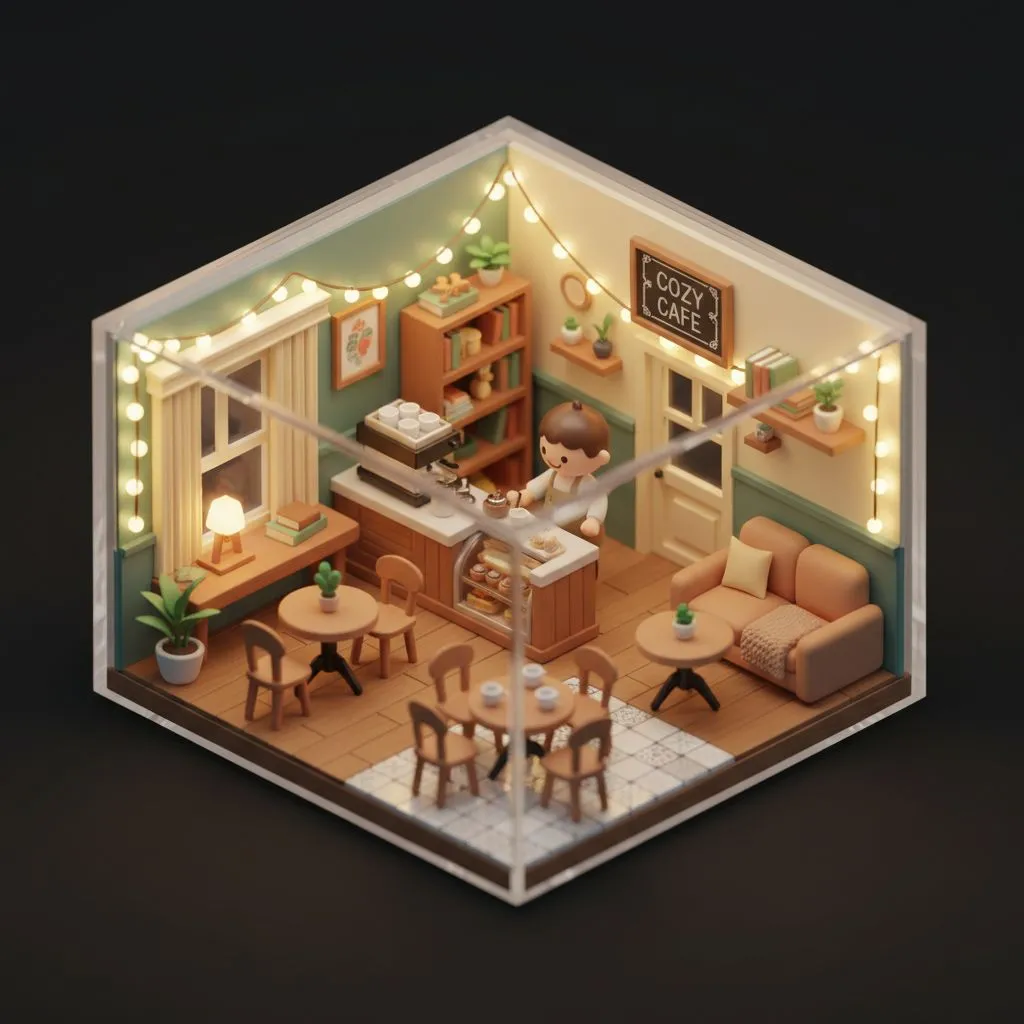
Not only the plate
A delivery listing needs a header image, a booking page needs an interior, a campaign needs something that is not another close-up of a burger. Venue and mood imagery is the half of restaurant photography nobody budgets for.
Here the rules relax: no customer is comparing the generated room to a plate in front of them, so text-to-image is fair game for banners, seasonal artwork and social backgrounds.
What you get
- Full commercial rights on menus, delivery apps and ads
- No watermark, no attribution
- Editing models keep the dish you actually serve
- Square, portrait and landscape crops from one prompt
- Credits never expire between seasonal menus
- No subscription
Questions
Can I put AI photos on my menu?
Commercially the images are yours, with no watermark or attribution. The real limit is advertising law, not licensing: in most markets a menu photo has to represent what the customer receives. Generate from a photo of your actual dish rather than inventing a plate you do not serve.
Do I have to photograph the dish first?
For anything on a menu, yes. Shoot the real plate, then relight and restage it with image-to-image. Text-to-image is for concept work — a seasonal campaign, a dish still in development, decorative imagery on the wall of the venue.
Why does my food look plastic?
Almost always over-specification. Stacking glossy, glistening, perfect and hyperrealistic in one prompt pushes the model into advertising-render territory. Drop to one texture word and add a real-world light source instead: window light, single softbox, late afternoon sun.
What about drinks?
Cold drinks live on condensation and backlight — ask for both explicitly. Hot drinks are harder, because they lean on steam. For coffee, a crema close-up usually beats a wide shot with a steam plume that will not convince anyone.
How many credits does a dish take?
An image costs 38-69 credits depending on the model, and a dish usually takes three to six attempts. Packages start at $4.99 and credits never expire, so a menu you refresh twice a year does not become a monthly bill.
Guides
Turn AI art into real income. Learn 7 proven ways to make money with AI image generation in 2026 — from print-on-demand to freelance design services.
Learn how to create stunning product photos for your Etsy, Amazon, or Shopify store using AI. No studio, no photographer, no expensive equipment needed.
Learn how to create professional personal branding visuals with AI — from LinkedIn banners to speaker headshots, thought leadership graphics, and consistent social presence.
Shoot the dish once, restage it forever
Pay-as-you-go credits, no subscription, and nothing expires between menu changes.